How We Plan a 7-Day Motorcycle Expedition: Behind the Scenes with MotoScapes
By
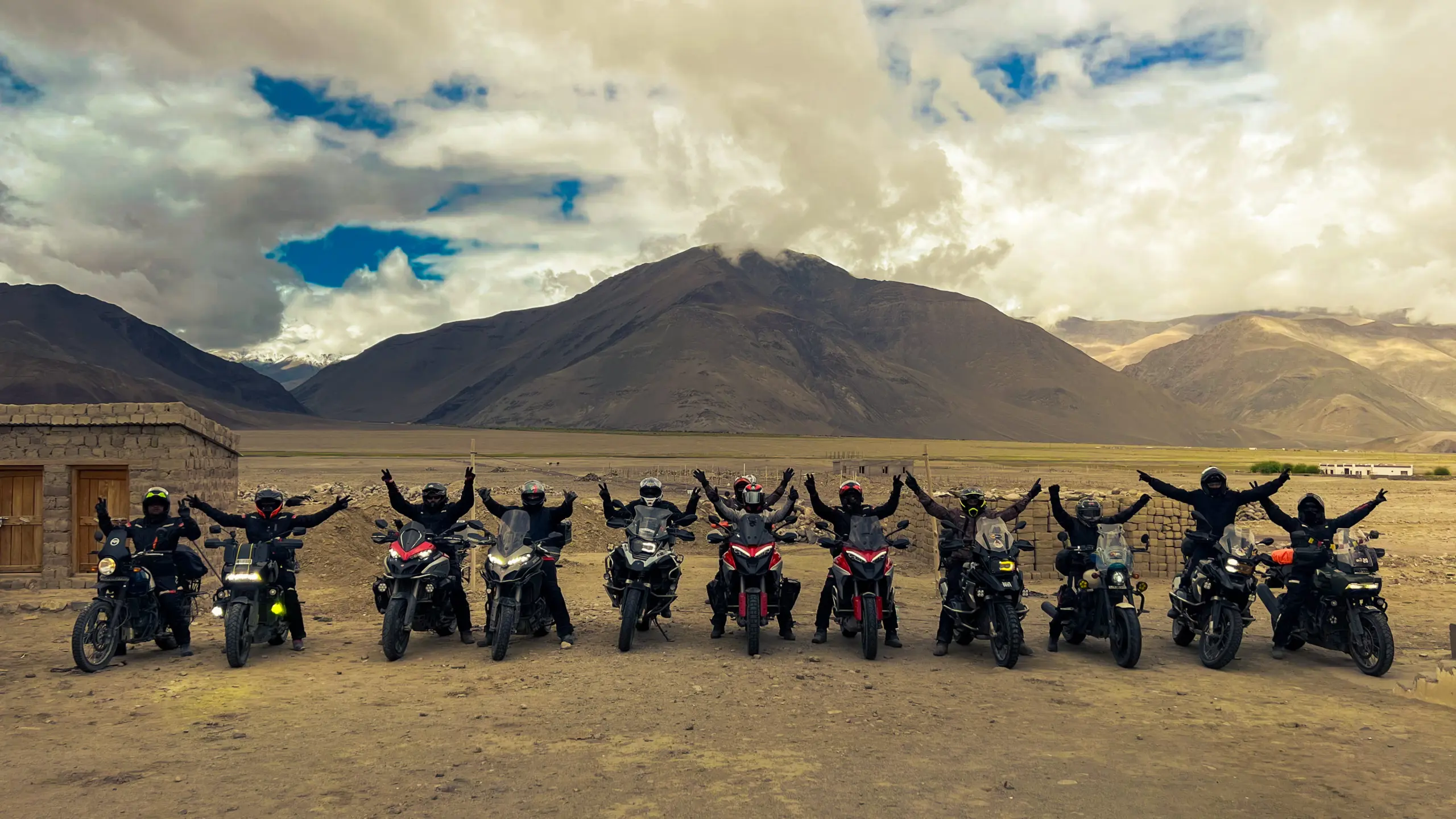
Planning a 7-day motorcycle expedition is not as simple as choosing a destination, booking a few hotels, and starting the ride. A well-planned motorcycle tour takes detailed preparation, route study, weather checks, rider safety planning, bike readiness, accommodation coordination, support systems, and timing control.
That is the difference between a trip that feels stressful and one that feels smooth, memorable, and worth every kilometer.
At MotoScapes, we believe a great motorcycle expedition is built long before the riders arrive. What looks effortless during the trip is usually the result of careful planning behind the scenes. In this blog, we will show you how a 7-day motorcycle expedition is planned, what goes into each stage, and why that planning matters so much for the final experience.
If you have ever searched for terms like “how motorcycle tours are planned,” “how to prepare for a bike trip in India,” “best guided motorcycle tours in India,” or “premium motorcycle expedition planning,” this will give you a clear understanding of what actually happens behind the scenes.
Why Planning Matters in a Motorcycle Expedition
A motorcycle expedition is not a normal holiday. It involves long riding hours, changing terrain, weather uncertainty, rider fatigue, machine performance, and strict time coordination. In destinations like Ladakh, Spiti, Kashmir, Uttarakhand, or Rajasthan, one small planning mistake can affect the entire trip.
Poorly planned expeditions usually lead to:
- Tired riders
- Delayed schedules
- Unsafe riding conditions
- Weak accommodation choices
- Mechanical issues without proper support
- Missed scenic experiences
- A trip that feels rushed instead of enjoyable
A well-planned expedition does the opposite. It makes the ride feel smooth, safe, and meaningful.
That is exactly where MotoScapes focuses its effort.
Step 1: Choosing the Right Route, Not Just the Popular Route
The first part of planning a 7-day motorcycle expedition is not just selecting a famous place. It is about selecting the right route for the right kind of rider.
Most people think route planning means:
“Pick Ladakh, pick Manali, pick Leh, done.”
That is amateur thinking.
At MotoScapes, route planning starts with deeper questions:
- Is this route suitable for a 7-day format?
- How much riding time is realistic each day?
- How much altitude gain happens too quickly?
- Are the roads enjoyable, or just exhausting?
- Are the fuel stops reliable?
- Are there safe rest points?
- Does this route offer real experience, or just long hours on the saddle?
For example, a good route is not only about scenic beauty. It must also balance:
- Rider energy
- Road conditions
- Weather windows
- Altitude adaptation
- Time for photography, food, and rest
- Experience quality
A badly chosen route can turn a beautiful destination into a tiring, rushed, and forgettable ride.
MotoScapes focuses on creating routes that are not only visually stunning, but also practical, safe, and deeply enjoyable to ride.
Step 2: Studying Daily Ride Distances and Timing
Once the route is selected, the next step is breaking it into daily riding segments.
This is where many operators fail.
Some tours look exciting on paper, but in reality they overload the rider with:
- 9 to 11 hour riding days
- Poorly timed departures
- Unnecessary backtracking
- Too many stop points
- No real recovery time
MotoScapes plans each day carefully by asking:
- How many kilometers are realistic without exhausting the rider?
- What is the road condition on each stretch?
- How many breaks are needed?
- How early should the ride begin?
- What time should the group reach the stay?
- Is there enough daylight buffer?
- Does the day feel enjoyable or only demanding?
For a 7-day expedition, daily planning is critical because every day affects the next. If one day is too hard, the next day’s ride becomes weaker. Fatigue builds up. Focus drops. Experience quality falls.
That is why MotoScapes does not only plan distance. It plans rider energy.
Step 3: Inspecting Road Conditions and Seasonal Challenges
A motorcycle route in India can change fast depending on the season. What was manageable last month may become risky this month.
So behind the scenes, expedition planning includes checking:
- Road surface quality
- Construction work
- Landslide-prone sections
- Water crossings
- Weather disruptions
- Fuel station reliability
- Tourist traffic levels
- Seasonal closures or permit changes
For example:
- Himalayan routes may look perfect online, but real road conditions can become rough overnight.
- Monsoon routes may require backup timing.
- High-altitude regions may need buffer plans in case of delay or weather changes.
MotoScapes takes this seriously because route quality directly affects safety, machine wear, and rider comfort.
This is one of the biggest differences between a casual bike trip and a professionally guided motorcycle expedition.
Step 4: Selecting the Right Hotels and Stays
Accommodation in a motorcycle expedition is not just about a room for the night. It is part of the recovery system.
After hours of riding, riders need:
- Good rest
- Clean washrooms
- Reliable food
- Fast check-in
- Comfortable sleep
- A stress-free environment
MotoScapes does not treat stays like a random booking decision. The team looks at:
- Location convenience
- Comfort level
- Cleanliness
- Parking access for motorcycles
- Meal availability
- Group movement ease
- View and atmosphere
- Service consistency
A great stay helps riders recover physically and mentally. A poor stay creates frustration, delays, bad sleep, and low energy for the next day.
This is why premium motorcycle tours in India often feel very different from budget rides. The stay quality is not a bonus. It is part of the ride experience.
Step 5: Preparing the Motorcycles Before the Expedition
People love to talk about destinations. Smart planners talk about machines.
Before any 7-day motorcycle expedition begins, the motorcycles need proper attention. This includes:
- General service checks
- Brake inspection
- Clutch and throttle response check
- Chain condition
- Tire condition
- Lights and indicators
- Battery health
- Suspension readiness
- Spare parts planning
- Tool kit readiness
A motorcycle expedition is only as reliable as the machine under the rider.
MotoScapes understands that one poorly prepared motorcycle can disturb the group’s flow, create avoidable delays, and put the rider under unnecessary stress. So the planning process includes serious attention to machine preparedness.
This is especially important for people searching for:
- best motorcycle tours in India
- guided bike tours India
- premium Royal Enfield tours India
- safe motorcycle trips in the Himalayas
Because the real quality of a motorcycle expedition is often hidden in how well the basics are handled.
Step 6: Building the Support System
One of the strongest parts of a professionally planned expedition is support.
On the surface, riders see a tour captain, a mechanic, and maybe a backup vehicle. Behind the scenes, this support system is carefully matched to the route and group needs.
MotoScapes plans support around:
- Group size
- Terrain difficulty
- Distance between towns
- Mechanical risk
- Rider skill levels
- Emergency response time
- Luggage management
- Fatigue recovery
A solid support setup may include:
- Ride leader
- Experienced marshal or captain
- Mechanic
- Backup support vehicle
- Luggage logistics
- Basic medical backup
This support is what allows riders to enjoy the journey instead of worrying about everything going wrong.
That is the hidden value of a premium motorcycle expedition. You are not paying only for a route. You are paying for reduced chaos.
Step 7: Managing Rider Readiness and Group Compatibility
A motorcycle expedition is not just about bikes and roads. It is also about people.
A good group can elevate the trip. A badly managed group can ruin it.
That is why rider profiling matters. MotoScapes pays attention to:
- Riding experience
- Comfort with long-distance touring
- Preferred pace
- Health considerations
- Previous mountain riding exposure
- Fitness level
- Expectations from the trip
Why does this matter?
Because a rider who is new to long-distance riding may need a different pace compared to someone with years of touring experience. A group without compatibility leads to:
- Frustration
- Delays
- Peer pressure
- Unsafe riding attempts
- Reduced enjoyment
A well-curated motorcycle expedition is not just about filling slots. It is about making sure the overall ride experience works.
Step 8: Planning Food, Fuel, and Rest Stops
Most people overlook this, but ride flow depends heavily on practical stop planning.
MotoScapes plans:
- Fuel stop intervals
- Breakfast timing
- Tea and hydration breaks
- Lunch windows
- Photo stop points
- Stretch breaks
- Emergency pause options
This is important because long-distance riding drains concentration. Without proper stop planning:
- Riders get dehydrated
- Energy drops
- Mistakes increase
- Group rhythm breaks down
On the other hand, when fuel and food timing are planned properly, the entire expedition feels smoother and more enjoyable.
This is one of those details riders may not notice directly, but they absolutely feel the difference.
Step 9: Creating a Safety Framework, Not Just Giving Instructions
Telling riders to “ride safe” is lazy. Real operators build a safety system.
Behind the scenes, MotoScapes plans safety through:
- Daily riding briefings
- Speed and formation guidance
- Emergency contact readiness
- Medical response awareness
- Altitude adaptation planning
- Hazard identification
- Communication rules
- Rest and fatigue control
For a 7-day motorcycle expedition, safety is not one conversation on day one. It is built into the structure of the entire journey.
This matters especially on routes involving:
- Mountains
- Remote roads
- High-altitude sections
- Mixed terrain
- Weather variation
The smoother the expedition looks from the outside, the more serious the planning usually is behind the scenes.
Step 10: Leaving Space for the Experience, Not Just the Itinerary
A bad operator fills every minute.
A better operator leaves room for experience.
MotoScapes plans expeditions in a way that allows riders to actually feel the ride. That means there is space for:
- Scenic pauses
- Photography
- Conversations
- Local experiences
- Unexpected beautiful moments
- A relaxed evening after the ride
This matters because the best moments on a motorcycle expedition are often not the scheduled ones. They happen in between. On the road. At a chai stop. At sunset. In silence. In shared laughter after a long day.
If the itinerary is too tight, the trip feels mechanical.
MotoScapes aims for something better than a checklist. It aims for a real riding experience.
What Makes a MotoScapes Expedition Different
A lot of bike trips in India promise adventure. Very few plan for quality.
MotoScapes focuses on building motorcycle expeditions that combine:
- Strong route design
- Thoughtful pacing
- Rider comfort
- Machine preparedness
- Support structure
- Premium stay quality
- Safety planning
- Memorable experience design
This makes the expedition feel less like a rushed commercial package and more like a carefully crafted journey.
If you are looking for a guided motorcycle tour in India, a premium bike trip in the Himalayas, or a well-planned 7-day motorcycle expedition with comfort and support, this is the difference that matters.
Final Thought
A 7-day motorcycle expedition may look simple from the outside. But when done properly, it is a detailed operation.
The route has to work.
The pace has to work.
The bikes have to work.
The stays have to work.
The support has to work.
The riders have to feel looked after.
That is what MotoScapes plans behind the scenes.
And that is why the best motorcycle expeditions do not feel chaotic. They feel effortless.
Plan Your Next Ride with MotoScapes
If you are thinking about a motorcycle expedition in India and want more than just a basic package, MotoScapes can help you plan it the right way.
Whether you are looking for a premium Himalayan motorcycle tour, a guided bike trip with full support, or simply want expert advice before booking your next ride, reach out to MotoScapes for a free consultation.
Talk to the MotoScapes team and find the right expedition for your riding style, comfort level, and travel goals.